




Six Holiday Shoppers Every 2025 Campaign Should Plan For | 11 Dec, 2025
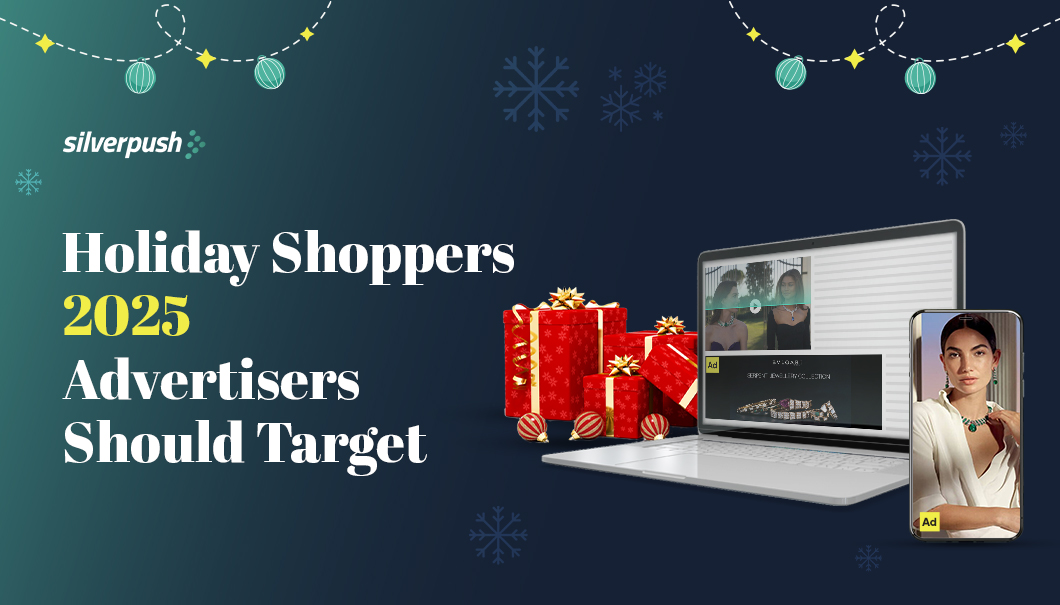
The 2025 holiday rush is starting earlier and moving faster. Shoppers are more digital than ever, and your competition is not just other brands. You are also competing with feeds, creators, and endless choice.
Global forecasts point to more than two billion shoppers this season. Around 64% of people start buying before Halloween, and close to 82% of gifts are now purchased online. At the same time, video is doing most of the heavy lifting in discovery. About 93% of YouTube viewers say the platform helps them make purchase decisions. That means a lot of people move directly from watching content to adding items to their carts.
Inside this shift, six clear holiday shopper types stand out. Each one has a different mindset, media pattern, and trigger. When you understand who you are talking to, you can shape the creative, context, and timing in a way that actually matches how they shop.
The six holiday shoppers you need to know
You will see pieces of all six in your audience, but a few will likely dominate your category. Here is what drives each of them and how you can meet them where they are.
1. The Bargain Hunters (Deal-driven early planners)
According to the Silverpush holiday advertising 2025 playbook, bargain hunters make up about 36% of holiday shoppers. They chase early discounts, bundle offers, and savings across channels. On YouTube alone, they drive around 57 billion views on haul content and deal-hunting videos. They are the people who know the sale calendar better than most retailers.
To reach them, you need to be present in sales-heavy moments and content. Think early-season promotions, Black Friday coverage, and limited-time sale videos where creators compare prices and value. Contextual intelligence solutions like Mirrors can place your ads next to these deal-focused videos. Creative platforms such as Crafters can then help you showcase bundles, clear savings, and simple offers at the exact time they are looking.
2. The Luxury Seekers (Aspirational experience shoppers)
Luxury seekers represent roughly 13 percent of shoppers. They are not just buying a product; they are buying a feeling. They watch unboxings, premium product reviews, and content that shows a lifestyle they want to move toward. They account for about 32 billion views on luxury-focused videos.
Here, you win with story and detail. You can work with premium aligned creators and use interactive video through Crafters to slow the scroll and show the full experience. Your media should appear in and around content where quality, design, and status are already part of the conversation.
3. The Research Mavens (Informed decision makers)
Research Mavens are the second largest group, at around 32%. They check everything. They watch tutorials, deep product comparisons, and long-form reviews. They are responsible for about 52 billion views of how-to content and side-by-side breakdowns.
You can support them by pairing contextual placement with smart assistance. Mirrors can help you appear next to review and tutorial content for your category. A conversational AI agent like Zimmer can then pick up questions on product fit, warranty, delivery, and use cases, so they do not have to leave the journey to search elsewhere.
4. The Impulse Buyers (Quick-converting explorers)
Impulse buyers make up only about 7% of holiday shoppers, but they can drive a big share of quick wins. They respond to excitement, social proof, and a feeling that they have discovered something timely and smart. They help generate around 64 billion views on videos like “Best Gifts Under Fifty Dollars” and viral recommendation lists.
For this group, speed and simplicity matter. Interactive and shoppable creative through Crafters lets them move from interest to checkout with very few steps. Moment marketing platforms such as Parallels can trigger your campaign ads when certain gift lists or trends spike, so you catch the impulse right at the moment it forms.
5. The Brand Loyalists (Consistent connectors)
Brand loyalists are a smaller segment, around 4%, but they are powerful. They already trust you. They watch brand-specific guides, look at new collection videos, and follow collaborations. They are behind an impressive 109 billion views on brand-owned and brand-focused content.
Your goal with them is to deepen and extend the relationship. Use contextual intelligence from Mirrors to show up across relevant content throughout the season, not only during peak sale days. Then use Zimmer to deliver post-purchase support, recommendations, and loyalty messages. That way, holiday campaigns become part of a longer relationship instead of a one-time push.
6. The Swayable Shoppers (Influence-Driven Converters)
Swayable Shoppers make up roughly 3% of shoppers. They are the most dependent on creators and community signals. They hesitate until they see enough proof from people they trust. They are linked to about 1.9 million videos and around 64 billion views that are both influenced by creator recommendations.
You reach them through real social proof. Work with genuine creators and place your media around their content. Parallels can help sync your ads with live or trending moments over social platforms like Meta and TikTok. Crafters can add interactive layers so viewers can explore or buy while they are still in that recommendation moment.
How these six shoppers shape your funnel
These six shoppers do not move through the funnel in the same way.
You tend to see bargain hunters and luxury seekers at the top, as they use festive content and early-season videos to set up their list. Research Mavens and Swayable Shoppers are strongest in the middle, where reviews and creator content help them build confidence. Impulse buyers dominate in peak moments when urgency is high, stock is moving, and offers are clear. Brand loyalists close the loop after purchase, and into the new year, especially if you use remarketing and loyalty-driven creative that respects their history with you.
When you plan with these patterns in mind, you can decide which shoppers matter most to your brand and where to put your effort.
This season, know your shopper to win the moment
Holiday success in 2025 is not only about bigger budgets. It is about matching your message and tools to how people really shop.
AI can help you do this in a practical way. Contextual intelligence can place your ads in the right videos for each persona. Conversational agents can answer questions without slowing down the experience. Creative and moment platforms can adjust your message as trends, prices, and moods shift through the season.
If you understand these six shopper types and build for them, you move from generic holiday noise to specific, useful experiences.
You can download the Silverpush Holiday Shopping 2025 Playbook to explore detailed insights and activation strategies for each shopper type.

BLOGS
Silverpush Partner Spotlight: Moka Goto, Digital Planner at Dentsu Digital Global Center
This week, the Silverpush team spoke with Moka Goto, Digital Planner at Dentsu Digital Global Center, to discuss how YouTube advertising is evolving towards 2026. From shifting planning mindsets away from pure scale towards context and moments to rethinking how performance is evaluated, Moka shared how Dentsu Digital is ...

BLOGS
What Indonesians Actually Watch During Ramadan and Why Context Decides Which Brands Win
Every year, Ramadan quietly resets how Indonesia consumes content. Days start earlier. Nights stretch longer. Families gather more often around shared screens. What people watch changes, but more importantly, why they watch changes too. For brands, this is where Ramadan becomes deceptive. The numbers look incredible. According to the Silverpush ...
BLOGS
The Ultimate Advertising Calendar for 2026 Tentpole Events
In a world where trends change in the blink of an eye, relevance often feels like some sort of rat race. That is where tentpole events come in: these are key dates and milestones with cultural or industry importance that manage to grab people’s attention, be it the FIFA World ...
